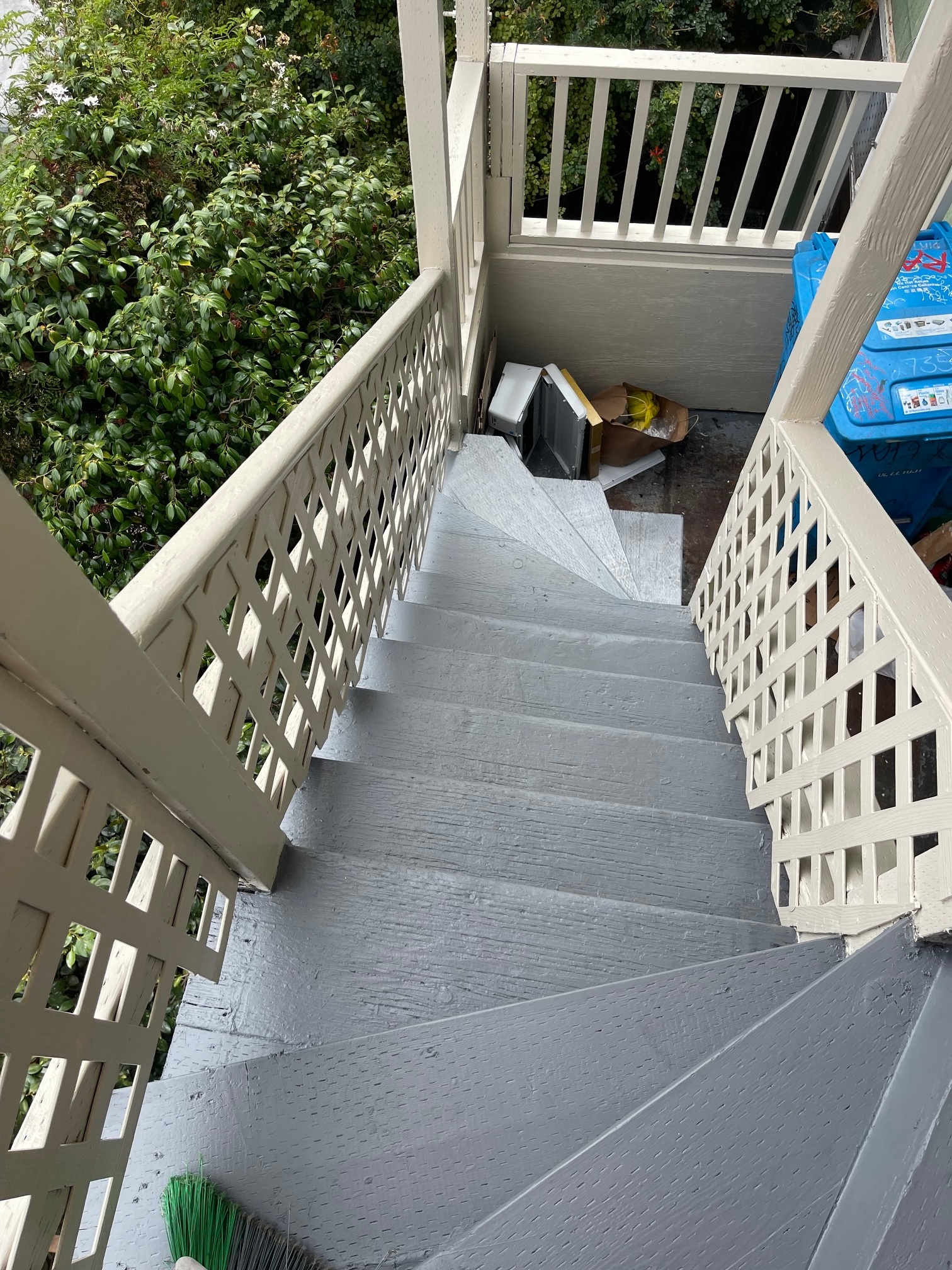
If you own or manage an apartment building in San Francisco, you’re probably familiar with Section 604 inspections and California’s SB 721 requirements. When these mandatory inspections reveal issues with your outdoor staircases, you need to act quickly to bring your property into compliance and keep residents safe.
This guide explains everything San Francisco property owners need to know about outdoor staircase repairs required under Section 604 and SB 721, including common problems, repair solutions, and how to work with contractors to get your stairs back in compliance.
Understanding Section 604 and SB 721 for Outdoor Staircases
Two major laws govern outdoor staircase safety in San Francisco: the city’s Section 604 requirement and California’s statewide SB 721 mandate. Both were created to prevent injuries and deaths from failing exterior structures.
San Francisco Section 604: The City’s Inspection Requirement
Section 604 of the San Francisco Housing Code has been on the books since 2003. It requires owners of apartment buildings (with 3+ units) and hotels (with 6+ guest rooms) to inspect all exterior elevated elements every five years.
This includes outdoor staircases, particularly the back staircases common in San Francisco’s multi-unit buildings. The inspection must verify that these structures are in safe condition, properly maintained, and free from hazardous dry rot, fungus, deterioration, decay, or improper alterations.
Property owners must submit a signed affidavit from a licensed professional—either a general contractor, structural engineer, architect, or pest control licensee—to the Housing Inspection Services Division every five years.
California SB 721: The State Law
California Senate Bill 721, passed in 2018 following the tragic Berkeley balcony collapse, applies to multi-family residential buildings with three or more units throughout the state. The law requires inspection of exterior elevated elements (EEEs) that are more than six feet above ground and rely on wood or wood-based structural support.
For staircases, this means external stair systems with wood framing must be inspected by January 1, 2026 (for the first inspection), with subsequent inspections every six years. The inspector must be a licensed architect, civil or structural engineer, or qualified contractor.
While Section 604 is San Francisco-specific and more comprehensive, SB 721 applies statewide. San Francisco property owners with outdoor wood staircases typically need to comply with both laws, though they operate on different schedules (5 years vs. 6 years).
Why Outdoor Staircase Repairs Matter
Outdoor staircases on apartment buildings face constant exposure to San Francisco’s challenging weather conditions. The city’s persistent fog, rain, and coastal moisture create ideal conditions for wood rot and deterioration.
Safety and Liability
Failing staircases pose serious injury risks to residents, visitors, and service workers. When someone falls due to a structural failure, broken tread, or missing handrail, property owners face significant liability. Code-compliant repairs aren’t just about passing inspections—they’re about preventing accidents.
Avoiding Fines and Penalties
Both Section 604 and SB 721 include enforcement mechanisms. Property owners who don’t complete required repairs can face daily fines ranging from $100-$500, safety liens on the property, and code enforcement actions that can delay sales, refinancing, or renovations.
Protecting Your Investment
Deferred maintenance on outdoor staircases only makes problems worse and more expensive. A minor repair caught early through regular inspections can prevent a complete staircase failure requiring full replacement. Documented compliance also protects property value during transactions.
Common Staircase Problems Found in Section 604 and SB 721 Inspections
San Francisco’s older apartment buildings frequently show similar patterns of staircase deterioration.
Dry Rot and Wood Decay
This is the most common and most serious problem. San Francisco’s moisture-rich climate accelerates dry rot in outdoor wood staircases. Dry rot fungi can completely compromise structural members, making them unable to safely bear loads. Inspectors look for soft, crumbly wood, discoloration, and structural weakness.
Structural Support Issues
Over time, staircase stringers (the structural supports that hold up the treads), posts, and connections can fail. This might result from wood rot, improper original construction, settling foundations, or accumulated stress from years of use.
Deteriorated Treads and Risers
The horizontal surfaces people step on (treads) and vertical boards between them (risers) take direct foot traffic and weather exposure. They wear down, crack, warp, or rot faster than other staircase components.
Handrail Problems
Missing handrails, improperly secured railings, or handrails that don’t meet current code requirements are frequent inspection findings. San Francisco building code requires handrails on both sides of outdoor staircases, properly mounted and extending beyond the top and bottom steps.
Water Damage and Drainage Issues
Poor drainage around staircase bases or inadequate waterproofing allows water to accumulate, accelerating rot. Inspectors look for standing water, improperly sealed connections between stairs and building walls, and missing or failed flashing.
Pest Damage
Termites and carpenter ants are attracted to moist wood. Outdoor staircases showing signs of dry rot often have secondary pest damage that further compromises structural integrity.
Types of Repairs for Code Compliance
When your Section 604 or SB 721 inspection identifies problems, repairs fall into several categories based on severity and scope.
Emergency Repairs
If the inspector determines your outdoor staircase poses an immediate threat to safety, you must take action right away. This typically means either blocking access to the dangerous staircase or performing emergency shoring to stabilize it while arranging permanent repairs.
Under SB 721, emergency repairs must begin within 15 days of notification, with complete repairs within 180 days. Section 604 has similar urgency requirements for life-safety hazards.
Structural Repairs
When wood framing members (stringers, posts, beams) show rot or structural damage, they typically need replacement rather than patching. A contractor will remove compromised sections and install new pressure-treated lumber or alternative weather-resistant materials.
Structural repairs often require permits from the San Francisco Department of Building Inspection and must be designed to meet current code requirements, even if the original staircase was built to older standards.
Tread and Riser Replacement
Individual treads or risers showing wear, cracking, or minor rot can often be replaced without rebuilding the entire staircase. The contractor removes damaged boards and installs new ones matching the existing staircase dimensions and material specifications.
Handrail Installation and Repair
Adding missing handrails, replacing deteriorated railings, or upgrading to current code requirements is a common repair. Handrails must be securely mounted, at proper height (34-38 inches), and continuous along the full length of the staircase.
Waterproofing and Drainage Improvements
To prevent future problems, repairs should address the root cause of moisture damage. This might include installing proper flashing where stairs meet building walls, improving drainage around staircase bases, adding protective coatings to wood surfaces, or regrading adjacent areas to direct water away.
Complete Staircase Rebuilds
When an outdoor staircase shows extensive damage, rebuilding often makes more sense than attempting to patch multiple problems. A rebuild allows you to use modern materials, meet current codes throughout, and design for better longevity in San Francisco’s climate.
Choosing Materials for Outdoor Staircase Repairs
Material selection significantly impacts how long your repaired or rebuilt staircases will last in San Francisco’s challenging environment.
Pressure-Treated Lumber
This remains the most common choice for outdoor stair repairs. Pressure-treated wood resists rot and insects better than untreated lumber. Choose materials rated for ground contact when used near soil or in high-moisture areas.
Pressure-treated lumber requires regular maintenance (sealing, staining) to maximize lifespan but offers good value and is familiar to contractors. Expect 15-20 years of life with proper maintenance.
Composite Materials
Composite decking and stair treads made from wood fibers and plastic offer excellent resistance to moisture, rot, and insects. They require minimal maintenance and can last 25-30 years.
The tradeoff is higher upfront cost and some composite materials can become slippery when wet unless you choose textured varieties specifically designed for stair treads.
Metal Components
Steel or aluminum components can be used for structural supports, handrails, or entire staircase systems. Metal doesn’t rot and provides excellent strength and longevity, especially in coastal areas if properly coated to prevent rust.
All-metal staircases are often more expensive but can be the best choice for heavily used areas or buildings near the coast where salt air accelerates wood deterioration.
Slip-Resistant Treatments
Whatever material you choose for treads, San Francisco’s frequent fog and rain make slip resistance critical. Options include textured finishes, adhesive traction strips, specialized coatings, or naturally slip-resistant composite materials.
The Permit and Repair Process
Outdoor staircase repairs in San Francisco typically follow a predictable sequence.
Review the Inspection Report
Your Section 604 or SB 721 inspector will provide a detailed report identifying all problems found during the assessment. This report categorizes issues by severity: immediate threats requiring emergency action versus repairs that can be scheduled within code-required timeframes.
Get Contractor Bids
Share the inspection report with licensed general contractors who have experience with San Francisco exterior elevated element repairs. Ask for detailed scopes of work, timelines, and pricing that address all inspection findings.
Obtain Permits
Most outdoor staircase repairs require building permits from the San Francisco Department of Building Inspection. Your contractor typically handles the permit application process, submitting plans and specifications for review.
Permit approval can take several weeks, so factor this into your timeline when planning repairs under Section 604 or SB 721 deadlines.
Complete Repairs
Once permits are approved, work can begin. Depending on the scope:
- Minor repairs (replacing a few treads, adding handrails): 2-5 days
- Moderate repairs (structural member replacement, waterproofing): 1-2 weeks
- Complete rebuild: 2-4 weeks
San Francisco’s weather can impact outdoor construction schedules. Many contractors prefer working during drier summer and fall months when possible.
Inspection and Documentation
After repairs are complete, the work must be inspected by the San Francisco Department of Building Inspection to verify code compliance. Your Section 604 or SB 721 inspector may also need to re-inspect and document that required corrections have been made.
Keep all documentation—inspection reports, permits, contractor invoices, and final inspection sign-offs—for your property records. This paperwork proves compliance if questions arise during future property transactions.
Timeline Requirements You Need to Know
Both Section 604 and SB 721 impose specific deadlines for repairs based on the severity of problems found.
Immediate Safety Hazards
Staircases that pose immediate danger require the fastest response:
- Access must be blocked immediately
- Owner has 15 days to notify the local building department (SB 721)
- Emergency repairs or shoring must begin right away
- Complete repairs within 180 days (SB 721) or as required by San Francisco DBI
Non-Emergency Repairs
For issues that don’t pose immediate danger but still require correction:
- 120 days to obtain building permits
- Additional 120 days to complete repairs after permits are issued
- Extensions may be granted by the local enforcement agency for complex projects
Regular Inspection Cycles
Don’t forget the ongoing inspection requirements:
- Section 604: Every 5 years
- SB 721: Every 6 years after initial inspection
Missing inspection deadlines can result in code enforcement action even if your staircases don’t currently have problems.
Preventing Future Staircase Problems
After bringing your outdoor staircases into compliance, ongoing maintenance prevents costly repairs down the road.
Annual Inspections
Between required Section 604 and SB 721 formal inspections, conduct annual walkthroughs of all outdoor staircases. Look for early warning signs:
- Soft spots in wood (test with a screwdriver or awl)
- Discoloration or surface changes indicating moisture intrusion
- Loose or wobbly handrails
- Cracked or warping treads
- Pooling water or drainage problems
- Deteriorating sealants or coatings
Regular Maintenance
Schedule routine maintenance to extend staircase life:
- Clean stairs seasonally to remove debris and prevent algae/mildew buildup
- Reapply sealants or stains according to manufacturer recommendations (typically every 2-3 years)
- Clear drainage areas and ensure water flows away from staircase bases
- Trim vegetation that holds moisture against wooden components
- Tighten loose fasteners before they cause bigger problems
Prompt Repairs
Address small issues immediately before they become major problems. A single loose board or small area of surface rot caught early might need just a few hours of work. Ignored for a year or two, the same problem could spread and require replacing entire structural members.
Documentation
Keep a maintenance log documenting all inspections, repairs, and routine maintenance. This creates a history of care that can be valuable during property sales, insurance claims, or liability situations.
Cost Considerations
Outdoor staircase repair costs vary widely based on the extent of problems and chosen solutions.
Factors Affecting Cost
- Current condition and extent of damage
- Whether repairs or complete rebuild is needed
- Materials selected (basic pressure-treated vs. composite vs. metal)
- Staircase size and complexity
- Permit fees ($200-1,000+ depending on scope)
- Accessibility (difficult-to-reach back staircases cost more)
- Time pressure (emergency repairs cost more than scheduled work)
Typical Price Ranges
While every project is different:
- Minor repairs (few treads, handrail work): $1,000-5,000
- Moderate repairs (structural work, multiple components): $5,000-15,000
- Complete staircase rebuild: $15,000-40,000+
- Emergency stabilization/shoring: $2,000-8,000
ROI of Proactive Maintenance
Regular maintenance and prompt repairs cost far less than emergency fixes or compliance enforcement:
- Annual maintenance: $500-1,000 per staircase
- Catching rot early: $2,000-5,000 in repairs
- Ignoring problems until code enforcement: $20,000-50,000+ with fines
Working with the Right Contractor
Not all contractors have experience with Section 604 and SB 721 compliance work.
What to Look For
- General contractor license (California B license)
- Experience with San Francisco building codes and permit process
- Familiarity with Section 604 and SB 721 requirements
- References from other apartment building owners
- Insurance (general liability and workers compensation)
- Clear communication and detailed written estimates
Red Flags
- Suggesting you can skip permits for “minor” work
- Unable to explain how repairs will meet code requirements
- Reluctant to put timeline and scope in writing
- Significantly lower bids than other contractors (often indicates cutting corners)
- Not licensed or insured
Getting Started with Your Staircase Repair Project
If your Section 604 or SB 721 inspection identified problems with your outdoor staircases, here’s how to move forward:
- Understand the inspector’s findings: Review the report carefully and note which repairs are classified as immediate safety hazards versus standard repairs
- Calculate your timeline: Based on repair classification, determine your deadline for permit application and completion
- Get multiple bids: Contact licensed contractors experienced with San Francisco exterior elevated element repairs
- Choose a contractor: Select based on experience, references, and clear communication, not just lowest price
- Obtain permits: Work with your contractor to submit all required permit applications promptly
- Complete repairs: Follow through with the work on schedule to avoid enforcement actions
- Document compliance: Keep all inspection reports, permits, and final approvals for your records
Expert Outdoor Staircase Repairs in San Francisco
Maven Maintenance specializes in outdoor staircase repairs and rebuilds for San Francisco apartment buildings. We understand Section 604 and SB 721 requirements and have extensive experience working with the city’s building inspection process.
We handle everything from minor compliance repairs identified in inspections to complete staircase rebuilds for buildings with extensive deterioration. Our work addresses structural issues, dry rot, weather damage, and code violations to bring your property into compliance and keep residents safe.
Whether you’re facing an emergency repair deadline or planning proactive staircase rehabilitation, we provide clear scopes, realistic timelines, and skilled craftsmanship using materials suited to San Francisco’s climate.
Need Section 604 or SB 721 staircase repairs? Request a bid for your outdoor staircase repair project today.
Maven Maintenance provides outdoor staircase repair, rebuild, and maintenance services for San Francisco apartment buildings and multi-unit residential properties, specializing in Section 604 and SB 721 compliance work.