San Francisco rents are high, but not every unit commands top dollar. The difference often comes down to smart upgrades. Small, targeted improvements can increase rental value without the cost of a full renovation. Here’s how San Francisco landlords and property managers can get the most return from every upgrade dollar this year.
Why Rental Value Matters More in San Francisco’s Market
San Francisco tenants have options. They compare units carefully before signing a lease. A unit that looks dated will sit empty longer, and every vacant month costs you real income. Strategic upgrades help you increase rental value and reduce vacancy time at the same time. They also help older units compete against newer buildings nearby. In a market where prospective tenants tour multiple listings in a single afternoon, first impressions carry real financial weight.
Owners who treat upgrades as an ongoing strategy, rather than a one-time fix, tend to see stronger long-term returns. Local rent data consistently shows steady demand for well-maintained units, even as broader market conditions shift. Staying ahead of wear and tear keeps your building competitive year after year.
Kitchen Upgrades That Increase Rental Value
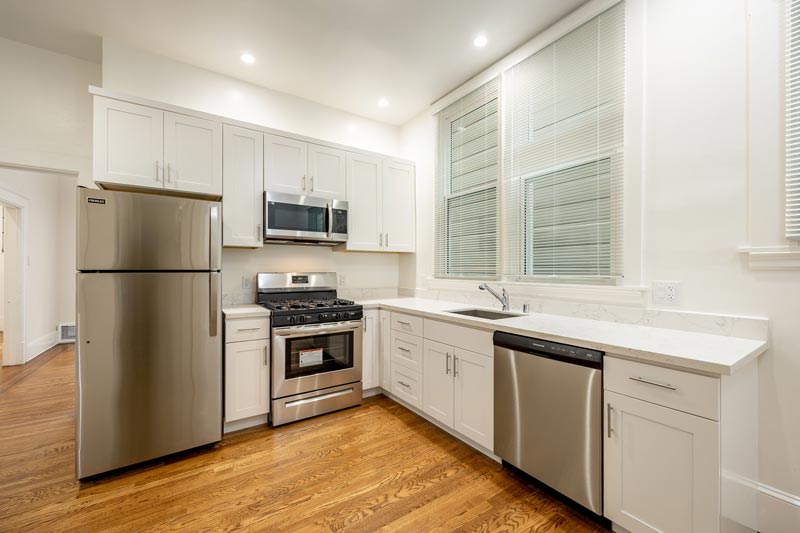
Kitchens sell apartments. Tenants notice countertops, cabinets, and appliances first. You don’t need a full gut renovation to make an impact. Refinishing cabinets instead of replacing them saves money while still delivering a fresh look. New hardware alone can modernize a dated kitchen in an afternoon.
Swapping in a stainless steel refrigerator and range signals an updated space to prospective tenants. Quartz or butcher block countertops read as upgrades without a high price tag. Even fresh paint on cabinet fronts can shift a kitchen from tired to move-in ready. Under-cabinet lighting is a small addition that photographs well and stands out in listing photos.
These changes are affordable relative to a full renovation, but they consistently help owners increase rental value on turnover units.
Bathroom Improvements Tenants Actually Pay For
Bathrooms are the second biggest factor in rental value. Small changes go a long way here. Re-caulking, new fixtures, and updated lighting cost little but look expensive. A new vanity refreshes the whole room without touching plumbing lines.
Regrouting tile removes years of visible wear and makes a bathroom feel clean again. Good exhaust fans matter too. San Francisco’s fog and humidity cause mold issues in older bathrooms, especially in units with limited natural ventilation. Fixing ventilation problems protects your investment and keeps tenants happy long after move-in.
A modern light fixture and a new mirror round out the refresh at minimal cost. These details signal that a unit has been cared for, which matters to tenants weighing several similar listings.
Flooring, Paint, and Curb Appeal
Flooring makes a strong first impression. Worn carpet reads as neglect, even in an otherwise solid unit. Luxury vinyl plank is durable, affordable, and holds up well to San Francisco’s damp weather. It also appeals to tenants who prefer hard flooring over carpet for allergy or maintenance reasons.
Fresh interior paint is one of the cheapest ways to increase rental value. Neutral tones appeal to the widest range of tenants and photograph well for online listings. Don’t overlook the building’s exterior and entryway. A clean facade, tidy landscaping, and a well-lit entrance set expectations before a prospective tenant even steps inside.
Small exterior details, like a repainted door or updated mailbox area, cost little. They still shape a tenant’s first impression of the entire building.
Smart Upgrades vs. Full Renovations
Not every unit needs a gut renovation. Full renovations take longer, cost more upfront, and mean extended vacancy while work is underway. Smart upgrades focus on visible, high-impact changes instead. This approach gets units back on the market faster and protects your cash flow.
Save full renovations for units with real structural or code issues. Outdated wiring, failing plumbing, or fire and safety violations fall into this category. For everything else, a targeted upgrade plan is usually the smarter financial move. It lets you increase rental value across multiple units without draining your maintenance budget in a single quarter.
How Much Should You Budget?
Budgets vary by unit condition and target rent. A light refresh might run a few thousand dollars per unit. A more thorough upgrade, including kitchen and bath work, can run higher depending on scope.
The key question is return on investment. Compare your upgrade cost against the rent increase you expect to achieve. In most San Francisco submarkets, well-planned upgrades pay for themselves within a year or two. Higher rent and shorter vacancy periods both contribute to that return. Tracking your cost per unit against actual rent gains helps you refine your approach for future turnovers.
Timing Upgrades Around Turnover
The best time to upgrade a unit is during a natural vacancy. Scheduling work between tenants avoids disruption and lost rent from displacing a current renter. San Francisco’s tightest leasing windows tend to fall in late summer and early fall. Planning upgrades a few weeks ahead of turnover keeps units ready when demand peaks.
Coordinating contractors, painters, and inspections in advance shortens the total vacancy period. A well-managed timeline can mean the difference between one empty month and three.
Common Upgrade Mistakes to Avoid
Owners sometimes over-improve a unit relative to the surrounding market. A luxury kitchen in a building that otherwise rents at a modest rate rarely returns its full cost. Match your upgrade level to what similar units in the neighborhood are achieving in rent.
Another common mistake is skipping small repairs while focusing only on visible upgrades. A beautifully painted unit with a leaking faucet or a broken window latch still loses points during a walkthrough. Fix functional issues alongside cosmetic ones.
Rushing the timeline is another pitfall. Cutting corners to fill a vacancy quickly often means redoing work within a year or two. A short delay to do the job correctly usually costs less than a rushed job that needs revisiting later.
Finally, some owners try to handle upgrades without a licensed contractor to save money upfront. Unpermitted electrical or plumbing work can create liability issues and complicate a future sale or refinance. Working with a licensed team protects you on both fronts.
How Upgrades Affect Tenant Retention
Rental value upgrades aren’t only about attracting new tenants. They also help retain the tenants you already have. A tenant who sees a building actively maintained is more likely to renew, even at a modest rent increase.
Small, ongoing improvements throughout an occupied building reinforce that impression without requiring a full unit turnover. Updated common-area lighting or refreshed hallway paint are good examples. Consistent upkeep also reduces the number of maintenance complaints your team fields each month.
Frequently Asked Questions
Do I need permits for these upgrades? Cosmetic work like paint and flooring generally doesn’t require permits. Electrical, plumbing, or structural changes typically do. A licensed contractor can confirm what applies to your specific job.
How long do typical upgrades take? A kitchen and bathroom refresh in a single unit usually takes one to two weeks, depending on scope and material availability.
Should I upgrade all units at once? Most owners phase upgrades in as units turn over naturally. This spreads cost over time while gradually raising the overall quality of the building.
Getting Started
Start with a walkthrough of each unit. Note what’s dated, damaged, or simply tired-looking. Prioritize kitchens and bathrooms first, since they drive the most rental value. Then move to flooring, paint, and lighting throughout the rest of the unit.
A licensed contractor can help you sequence the work efficiently. This avoids costly mistakes, like starting cosmetic work before addressing an underlying issue.
Maven Maintenance works with San Francisco property owners to plan and execute upgrades that increase rental value without unnecessary cost or downtime. We handle everything from single-unit kitchen refreshes to full turnover renovations, timed around your leasing schedule. Ready to get more from your units? Request a bid today and let’s talk about your property’s potential.