
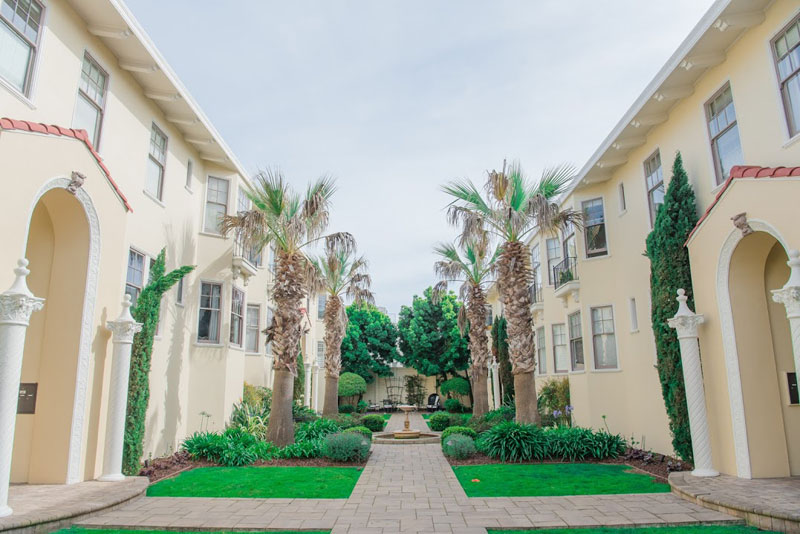
Timing your apartment renovations strategically can save money, reduce delays, and minimize tenant disruption. The best time of year to schedule apartment renovations in San Francisco depends on weather patterns, contractor availability, tenant turnover cycles, and the type of work planned. Understanding seasonal factors helps property owners make informed decisions and maximize renovation success.
Spring (March-May): Prime Renovation Season
Spring represents one of the best times for San Francisco apartment renovations. The weather is mild and relatively dry, making it ideal for both interior and exterior work.
Exterior painting thrives in spring conditions. Temperatures are moderate, and rainfall decreases compared to winter months. Paint adheres better and dries more predictably in these conditions. Spring painting also prepares buildings to look their best for the busy summer rental season.
Contractors are increasingly busy in spring but not yet at peak summer schedules. This balance means you can often secure quality contractors without the long wait times common in peak summer months. However, book popular contractors early as schedules fill quickly.
Spring is excellent for roof work before summer heat arrives. Roofing crews work efficiently in moderate temperatures, and completing roof projects before summer ensures buildings are protected through the dry season and prepared for the following winter’s rains.
The main drawback of spring renovations is occasional rain. San Francisco can see significant rainfall through April, potentially delaying exterior projects. Build flexibility into spring renovation schedules to accommodate weather-related delays.
Summer (June-August): Peak Construction Season
Summer offers the most predictable weather for San Francisco renovations. Fog and cool temperatures are common, but rain is rare, making summer ideal for exterior projects that can’t tolerate moisture.
Exterior renovations excel in summer months. Painting, siding work, window replacement, balcony repairs, and any other exterior projects benefit from dry conditions. Contractors can work continuously without weather delays, helping projects stay on schedule and budget.
Window replacement is particularly well-suited to summer. Open window openings during installation don’t expose interiors to rain, and the dry weather ensures proper sealing and curing of materials.
Summer aligns with tenant turnover in many San Francisco apartment buildings. Students and young professionals often move during summer months, creating opportunities to renovate vacant units without disrupting tenants. Schedule unit renovations between leases to maximize efficiency.
The primary disadvantages of summer renovations include high contractor demand and potential heat issues. Popular contractors may have limited availability or longer wait times. Their rates may also peak during high-demand summer months. Additionally, while San Francisco summers are mild compared to inland areas, working in un-air-conditioned buildings can be uncomfortable for both workers and remaining tenants during heat waves.
Book summer renovation projects by late winter or early spring to secure preferred contractors and lock in pricing before peak season.
Fall (September-November): The Underrated Season
Fall is often overlooked but offers excellent conditions for San Francisco apartment renovations. Weather remains relatively mild through October, and contractor availability improves as summer demand decreases.
September and early October typically provide excellent weather for exterior work. Temperatures are comfortable, and rainfall remains light. These months offer a sweet spot with good weather and contractors who are no longer overbooked from summer.
Contractor availability improves in fall as summer projects wrap up. You may find better pricing and faster scheduling compared to spring and summer. Quality contractors appreciate steady work as the busy season winds down and may offer competitive rates to keep crews employed.
Fall is ideal for interior renovations that don’t depend on weather. Kitchen and bathroom remodels, flooring replacement, interior painting, and electrical or plumbing upgrades can proceed efficiently regardless of occasional rain.
HVAC maintenance and upgrades are perfectly timed in fall. Complete heating system maintenance or upgrades before winter heating demand begins. This timing prevents mid-winter emergencies when repair costs are higher and service is slower.
The key consideration for fall renovations is weather uncertainty. November can bring significant rain to San Francisco, potentially delaying exterior projects. Plan exterior work for September or early October when weather is more predictable, or be prepared for weather-related delays later in fall.
Winter (December-February): Strategic Timing for Interior Work
Winter is generally the least popular time for renovations, but it offers unique advantages for certain projects and property owners who can work around seasonal challenges.
Contractor availability peaks in winter as demand drops. Many contractors have openings and flexible schedules during slower winter months. This increased availability often translates to better pricing and faster project starts.
Interior renovations work well in winter. Projects that don’t require opening building envelopes to weather, such as painting, flooring, kitchen and bathroom remodels, electrical work, and plumbing upgrades, can proceed regardless of rain. Tenants may spend more time away during the holidays, potentially reducing disruption concerns.
Winter is excellent for emergency repairs and deferred maintenance. Addressing problems discovered during fall inspections prevents worsening over the wet season. Property owners who deferred maintenance during busy summer leasing seasons can tackle necessary repairs when units are more likely to be vacant.
Year-end tax considerations make winter renovations attractive for some property owners. Completing repairs before December 31 allows deducting expenses in the current tax year. Consult with your accountant about tax benefits of winter renovation timing.
However, winter presents significant challenges for San Francisco renovations. Rain frequently delays or prevents exterior work. Exterior painting, roofing, and siding projects often face weather delays, extending timelines and potentially increasing costs. Short daylight hours reduce available work time for exterior projects.
Holidays complicate winter renovation schedules. Contractors take time off around major holidays, and material suppliers have limited hours or closures. Plan around holiday schedules or expect project extensions.
If scheduling winter renovations, focus on interior projects or plan exterior work with flexible timelines that can accommodate weather delays. Consider temporary weather protection for emergency exterior repairs that can’t wait for better weather.
Project-Specific Timing Recommendations
Different renovation types benefit from specific seasonal timing. Understanding these patterns helps optimize scheduling.
Painting projects, both interior and exterior, work best from April through October. Exterior painting particularly needs dry weather for proper adhesion and curing. Interior painting can proceed year-round but benefits from the ability to ventilate spaces, which is more comfortable in moderate weather.
Roof repairs and replacement are ideal from May through October. Complete roofing projects before winter rains begin. Emergency roof repairs obviously can’t wait for optimal timing, but schedule planned roof work for dry seasons.
Plumbing and electrical work can proceed year-round for interior projects. However, exterior plumbing or electrical work involving building penetrations should be scheduled during dry months to prevent water intrusion.
Seismic retrofitting works well in summer and early fall. These projects often require significant structural work and benefit from dry weather, particularly if they involve foundation or exterior wall modifications.
Kitchen and bathroom renovations can occur year-round but are most convenient during tenant turnover periods. Schedule these disruptive projects when units are vacant between leases when possible.
Coordinating Renovations with Tenant Schedules
Minimizing tenant disruption is crucial for occupied buildings. Consider tenant patterns when timing renovations.
Summer sees higher tenant turnover in San Francisco, particularly in neighborhoods with student populations or young professionals. Schedule unit renovations during vacancy periods between leases. This timing eliminates the need to work around occupied units and allows more flexible scheduling.
Holiday periods offer opportunities for common area renovations. Thanksgiving through New Year’s often sees tenants traveling, providing windows for disruptive work in lobbies, hallways, and shared spaces with minimal impact.
Coordinate with tenants when occupied unit work is necessary. Provide advance notice, work during standard business hours when tenants are more likely to be out, and complete projects as quickly as possible to minimize disruption.
Maven Maintenance specializes in occupied building renovations, using efficient processes that minimize tenant impact while maintaining quality workmanship.
Budget Considerations Across Seasons
Renovation costs fluctuate seasonally based on contractor demand and weather risk.
Peak season (summer) typically brings higher prices due to high contractor demand. However, projects often proceed faster with fewer weather delays, potentially offsetting higher labor costs through reduced project duration.
Off-peak season (winter) may offer lower labor rates as contractors compete for available work. However, weather delays can extend project timelines, increasing overall costs despite lower hourly rates. Evaluate total project cost, not just labor rates, when comparing seasonal pricing.
Material costs generally remain stable year-round, though availability can vary. Order materials well in advance for any seasonal project to ensure availability when needed.
Planning Your Renovation Timeline
Start planning renovations several months before your ideal start date. Research contractors, obtain multiple bids, and make selections with enough lead time to secure preferred schedules.
For summer projects, begin planning in winter. Popular contractors book up months in advance for peak season work.
For major projects requiring permits, factor in Department of Building Inspection review timelines. Permit review can take several weeks to several months depending on project complexity. Submit permit applications well before your desired construction start date.
Build contingency time into schedules. Even well-planned projects encounter delays from weather, supply chain issues, or unexpected conditions. Plan buffer time, especially for exterior projects and work scheduled during less predictable weather months.
Working with Experienced San Francisco Contractors
Choosing contractors experienced with San Francisco’s climate, building types, and seasonal patterns ensures better results regardless of timing.
Maven Maintenance brings over 20 years of experience with San Francisco apartment renovations across all seasons. Our team understands how to work efficiently in San Francisco’s unique climate, schedule around weather patterns, and minimize disruption to tenants year-round.
We help property owners choose optimal timing for their specific projects, considering weather requirements, contractor availability, tenant schedules, and budget constraints. Our integrated team of carpenters, painters, plumbers, and electricians works efficiently on multi-trade projects regardless of season.
Ready to schedule your San Francisco apartment renovation? Contact Maven Maintenance today for a free consultation. We’ll assess your project, recommend optimal timing based on your specific needs and goals, and develop a detailed plan that keeps your renovation on schedule and within budget. Let our experience work for you – reach out now to get started.