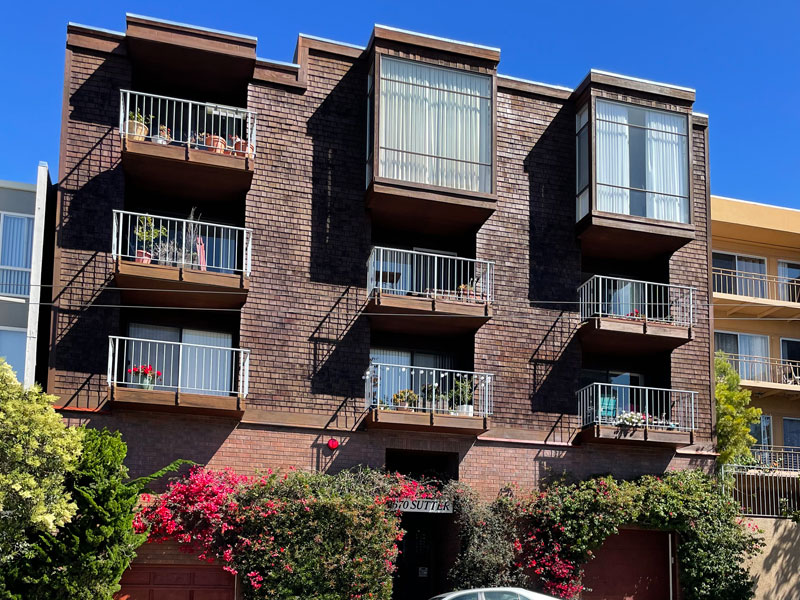
Planning apartment renovations in San Francisco requires more than good design ideas and a skilled contractor. Understanding San Francisco building code requirements for apartment renovations helps property owners avoid costly delays, fines, and project disruptions. The city enforces strict building codes to ensure safety, accessibility, and compliance throughout every phase of construction.
Why San Francisco Building Code Requirements Matter for Apartment Renovations
San Francisco’s building regulations are among the most comprehensive in California. The city adopted the 2025 San Francisco Building Code, which incorporates the California Building Code along with local amendments specific to the city’s unique challenges, including seismic activity, historic preservation, and high-density housing.
For apartment building owners, compliance isn’t optional. The Department of Building Inspection (DBI) reviews all permit applications and conducts inspections throughout the construction process. Non-compliance can result in stop-work orders, significant fines, and even legal liability if safety issues arise.
San Francisco Apartment Renovation Permit Requirements
Before starting any apartment renovation in San Francisco, you’ll need to obtain the appropriate permits. The type of permit depends on the scope of your project.
Minor repairs like painting, replacing fixtures, or cosmetic updates typically don’t require permits. However, any work involving structural changes, electrical systems, plumbing, or mechanical systems will require permits from DBI. This includes adding or removing walls, updating kitchens or bathrooms, replacing windows, and modifying building systems.
The permit application process requires detailed architectural plans, structural calculations when relevant, and often coordination with other city departments. Maven Maintenance works with licensed professionals who understand these requirements and can help streamline the permitting process for your renovation project.
Seismic Safety Requirements
San Francisco sits in an active earthquake zone, making seismic safety a critical component of building codes. The city’s experience with major earthquakes, particularly the 1989 Loma Prieta earthquake, has shaped current requirements.
One of the most significant seismic programs is the Mandatory Soft Story Retrofit Program. This ordinance requires seismic upgrades for wood-frame buildings that meet specific criteria: three or more stories (or two stories over a basement), five or more residential units, construction before January 1, 1978, and a soft story condition that hasn’t been strengthened. A soft story refers to a ground floor with large openings like parking garages or commercial spaces, making it vulnerable to collapse during earthquakes.
Property owners whose buildings fall under this program must complete retrofits according to assigned timelines. While compliance deadlines have passed for most tiers, any apartment building meeting these criteria should be evaluated. If you’re renovating a building that requires seismic work, this should be integrated into your renovation plans.
Even for buildings not covered by the mandatory retrofit program, any substantial structural alterations trigger seismic review. Work affecting more than 30 percent of a building’s floor and roof area requires evaluation under current seismic standards.
Accessibility and ADA Compliance
Accessibility requirements significantly impact apartment renovations in San Francisco. Both federal ADA regulations and California building codes mandate accessibility improvements in many renovation scenarios.
When renovations affect areas containing a primary function of the building, you must ensure the path of travel to that area is accessible. This includes entrances, restrooms, drinking fountains, and routes connecting these elements. If your construction project costs fall below the state valuation threshold (which changes annually), you can limit accessibility improvements outside the renovation area to 20 percent of construction costs. However, projects above this threshold require more extensive accessibility upgrades.
For multifamily buildings, accessibility considerations extend beyond commercial spaces. Common areas like lobbies, mailrooms, laundry facilities, and recreational spaces must be accessible. If your renovation involves these areas, expect requirements for wheelchair ramps, accessible parking spaces, compliant doorways, and barrier-free paths of travel.
San Francisco takes accessibility seriously, with the Department of Building Inspection enforcing compliance during the permit review and inspection process. Property owners can face lawsuits under California’s Unruh Civil Rights Act, which allows plaintiffs to seek substantial damages for accessibility violations. Working with experienced contractors like Maven Maintenance ensures accessibility requirements are properly integrated into renovation plans from the start.
Fire Safety and Life Safety Systems
Fire safety codes are another critical area for apartment renovations. The San Francisco Fire Code requires specific fire protection systems based on building size, occupancy type, and age.
Apartment buildings must maintain proper fire alarm systems, with annual testing and inspection requirements that vary based on building size. Buildings with nine or more units follow different schedules than smaller buildings. If your renovation affects fire alarm systems or fire-rated assemblies, you’ll need to ensure compliance with current fire code standards.
Egress requirements are particularly important in apartment renovations. Exit doors, hallways, and stairs must meet specific width, height, and configuration requirements. Fire escapes must remain clear and accessible during renovations. Any work affecting means of egress requires careful planning to maintain required exit capacity during construction and ensure final compliance.
Smoke and carbon monoxide detectors must be properly located according to current code. If your renovation involves bedrooms or creates new sleeping areas, detector placement becomes a critical compliance issue.
Electrical, Plumbing, and Mechanical Systems
Renovations touching electrical, plumbing, or mechanical systems must meet current code standards. This includes separate permits for each trade.
Electrical work requires permits for any modifications beyond simple fixture replacements. This includes adding circuits, upgrading panels, installing new outlets, or rewiring sections of the building. All electrical work must be performed by licensed electricians and inspected by the city.
Plumbing permits are required for modifications to water supply, drainage, or gas systems. This includes bathroom and kitchen renovations, water heater replacements, and modifications to building piping systems. San Francisco’s plumbing code includes specific requirements for water conservation, backflow prevention, and seismic gas shutoff valves.
Mechanical permits cover heating, ventilation, and air conditioning systems. With California’s energy efficiency requirements, HVAC modifications often require Title 24 energy compliance documentation showing the system meets state efficiency standards.
Historic Building Considerations
Many San Francisco apartment buildings have historical significance, adding another layer of requirements. Buildings in designated historic districts or individually landmarked properties face additional review by the San Francisco Planning Department and potentially the Historic Preservation Commission.
Renovations to historic buildings must balance code compliance with preservation of historic character. This sometimes requires alternative compliance methods or equivalent facilitation when strict code compliance would damage historic features. Work on historic buildings typically requires approval from multiple city departments, extending the permitting timeline.
Working with the Department of Building Inspection
Successfully navigating San Francisco’s building codes requires understanding how to work effectively with DBI. The department operates the Central Permit Bureau, which processes all building permit applications.
The permit review process typically involves multiple plan checks to verify code compliance. Reviewers examine structural, fire, accessibility, energy, and other aspects depending on project scope. This process can take several weeks to several months depending on project complexity and application completeness.
During construction, DBI inspectors will conduct periodic inspections at critical stages. These typically include foundation inspections, framing inspections, rough inspections for electrical, plumbing, and mechanical systems, and final inspections before occupancy. Failing inspections can halt work until deficiencies are corrected.
Experienced contractors understand these inspection requirements and schedule them appropriately to avoid delays. Maven Maintenance’s team has over 20 years of experience working with DBI on apartment projects throughout San Francisco, ensuring smooth inspection processes.
Energy Efficiency Requirements
California’s Title 24 energy standards apply to most renovation projects in San Francisco. These requirements address building envelope performance, HVAC efficiency, lighting systems, and water heating.
When renovations affect more than a certain percentage of a building’s envelope or systems, energy compliance documentation becomes mandatory. This includes calculations demonstrating that renovations meet minimum efficiency standards or that the building’s overall energy performance improves.
Some renovations qualify for prescriptive compliance, following specific requirements for insulation, windows, and equipment. Others require performance compliance, demonstrating the building meets energy budgets through computer modeling. Your renovation team should include professionals familiar with Title 24 compliance to avoid surprises late in the permit process.
Tenant Protections During Renovations
San Francisco’s tenant protection laws affect how renovations proceed in occupied buildings. The Rent Ordinance includes provisions for temporary displacement, rent reductions when services are interrupted, and cost passthroughs for certain types of work.
If renovations require temporary tenant relocation, you must comply with specific notice requirements and may need to provide relocation assistance. Work affecting housing services like parking, storage, or utilities requires proper notice and often compensation or substitute services.
Understanding these requirements protects both property owners and tenants. Proper planning ensures renovations proceed smoothly while maintaining good tenant relationships and legal compliance.
Cost Considerations and Financing
Code compliance work often represents a significant portion of renovation costs. Seismic retrofits can range from $100,000 to over $500,000 depending on building size and required work. Accessibility improvements, fire safety upgrades, and building systems work all add to project costs.
San Francisco offers some financing options for mandatory work. The city’s PACE financing program allows property owners to finance seismic and energy efficiency improvements through property tax assessments. For seismic retrofit work, 100 percent of costs can often be passed through to tenants under rent control regulations, spread over 20 years.
Planning renovation budgets should account for code compliance costs from the beginning. Working with contractors who understand these requirements helps develop accurate budgets and avoid costly surprises.
Partner with Experienced Professionals
Successfully completing code-compliant apartment renovations in San Francisco requires expertise across multiple disciplines. Navigating San Francisco building code requirements for apartment renovations demands experience from initial design through final inspection, accounting for the city’s comprehensive regulations at every phase.
Maven Maintenance brings over 20 years of licensed contracting experience to San Francisco apartment projects. Our team includes carpenters, painters, tile layers, plumbers, and electricians who work together to deliver efficient solutions that meet all code requirements while minimizing disruption to tenants.
Whether you need routine maintenance, unit upgrades, or a full building renovation, understanding and complying with San Francisco’s building codes protects your investment and ensures your property remains safe and functional for years to come.
Ready to start your compliant apartment renovation in San Francisco? Contact Maven Maintenance today for a free estimate. We’ll help you navigate code requirements and deliver quality results that meet all city standards while keeping your project on schedule and within budget.